Increasingly, more companies are recognizing the benefits a corporate digital marketing plan can bring in, but a few obstacles stand in the way:
1) There is no proper procedure or the know-how to design one
2) Not knowing where to look for resources or advice
3) Having a negative assumption of uncontrollable word-of-mouth over the Net that may jeopardize a smooth plan
4) Over-expectation of concrete results in the short term

And
of course, having a digital marketing plan does not mean businesses
must ditch traditional marketing channels altogether. Every marketing
channel can be coordinated together in an effective mix. The trend
towards going digital is undeniable though; as more consumers do their
research online before arriving at a purchasing decision, it becomes
more cost-effective to meet them where they are online and drive the
marketing in their direction.
Advancement made in analytics is
also making ad campaigns that much more easier to test and track, thus
providing the necessary performance metrics that marketers can
appreciate and know where they can improve for better results.
 The first step in planning out a DMP is to define the vision.
What does such a plan aim to achieve? Perhaps it is to drive online
sales of your products. If your products are not appropriate to be sold
online, the final goal may be to encourage a target number of fans and
followers to set foot into your shop. It is important to define the
goals as clearly as possible because they determine how subsequent
marketing actions will be carried out accurately.
 The second step is to define the various strategies and objectives that bring followers closer to your goals.
 The questions below can act as a guide:
- How many articles are you going to write in a month?
- How many clicks to drive to each article?
- How many social shares should each article reach for?
- What is the call-to-action (CTA) at the end of each web page?
- How many CTAs are needed before a visitor reach a goal?
- How is the visitor's experience navigating around your website?
- What is the conversion rate for each call-to-action?
- What is target size of the follower base on each social network?
- What is the target size of the e-mail subscriber base?
- What offers do you propose to differentiate the privileges of different subscriber/follower bases?
- What is the best buyer demographic for your products or services?
- Which social networks are these potential buyers predominantly found in?
- What are the signals that indicate a prospect is ready to buy?
- How to provide post sales support or customer service?
- What are the segments that separate different types of customers?
- What motivates each set of customers differently?
- How long and what are the stages of a buyer's lifecycle?
- What are your best keywords for website optimization?
- How many free offers do you need to come up with each month?
- How do the free offers determine the landing page design?
- How do you position yourself differently from your competitors?
- How do you project yourself as a knowledgeable expert in your niche?
- Where are the best forums for online conversations?
- Who can you collaborate with as joint venture partners?
These are but only a sample of questions out of many more that need to be asked, like:
- What would be a good frequency for social postings? Is it too much or too little now?
- What type of social media posting are your followers most likely to share?
- Which social networks tend to contribute better towards your DMP goals and how much more time should be spent in them?
- When is an appropriate time to directly promote a product?
- What new marketing channels can be further explored? Mobile messaging? Instant messaging?
- How to nurture regular customers into long-term evangelists?
I
should stop for now. As you can tell, the devil is in the details and
answers are never-ending, more so when nothing is set in stone and new
digital trends can take over without warning. Your DMP must be dynamic
and adaptable, subject to review for minor details over 3 months and for
major ones over 6 months.
The most common mistake of a DMP is for
digital marketers to confuse between the larger goals and objectives
and mix up their priorities. Success is in the sales, not the clicks nor
the number of subscribers or followers. Therefore it is imperative to
use analytics software like Google Analytics or Piwik to break down the
measurements into hard numbers because they tell the hard truth.
 The third step is to define a role for each of the staff in the business.
This is especially true for small businesses without a marketing team.
When there are so many 'devils' in a DMP, you can be sure there is
plenty of work to do every day.
Digital marketing has to be a
collective effort for productivity to increase and it does not
necessarily require in-depth expertise. A business can start small,
posting one piece of valuable content at a time, then figure out how to
ramp up the volume, frequency and quality of the content over time.
It
is also helpful for all staff to get involved so they can learn to
market online during the process and stay relevant within various
digital trends.
If this step is not applicable within your
business environment, you can consider outsourcing to a digital
marketing agency. It is exactly what we do at iSmart Communications.
Take a look at the
home page and "
Inbound Marketing" section of our website to better understand how we can add more value to the digital aspect of your marketing work.
 The fourth step is to set aside time for training.
Now this does not seem to relate directly to the work, but you would do
well to remember a Chinese saying, "Rest is to prepare for the long
journey ahead." Training is not exactly rest, but still it is to prepare
for the long marketing journey ahead. It is also a time to take stock
of the work done, of results measured, to discuss what is done well and
what can be done better.
For training and research resources, you can visit these recommended websites:
1) Entrepreneur.com: Click on the 'list' icon beside the logo for the topics
2) SelfGrowth.com: Access "All Topics" section and look for "Internet Marketing" and "Social Networking and Social Media"
3) MarketingProfs.com
4) Linkedin groups pertaining to relevant keywords and topics
5) Quora.com and similar Q&A websites
6) Article directories like Ezine Articles
7) Pinterest: Search for infographics by keywords
8) Blogengage.com
9) Marketingland.com
These
are exciting times we live in and consumers and merchants are
converging online like never before. Establishing additional marketing
channels via social media and e-mail automation can only help you open
up a plethora of new business opportunities. Your marketing efforts are
further leveraged as your online business presence remains active 24/7.
The 4 major steps of crafting a digital marketing plan would be a great
starting point. Act on them today and usher a better tomorrow.
The 4 Steps Of A Digital Marketing Plan
First step: Define the vision or goals.
Second step: Define strategies and objectives that score goals.
Third step: Define digital marketing roles for staff.
Fourth step: Prepare for continuous training.
|




 When you're running short of time, you instinctively scan instead of read an article. What do you scan? Significant pictures and keywords that capture your attention. Where are the keywords usually located? In the headline, of course. If the headline interests you, you will naturally feed your curiosity by reading the article further, and then it seems like you have some time to afford after all.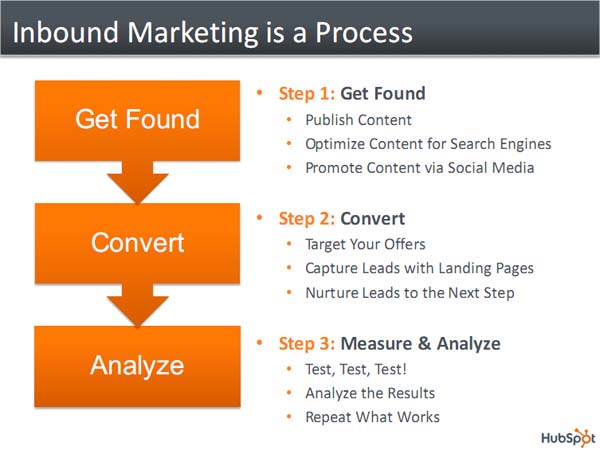

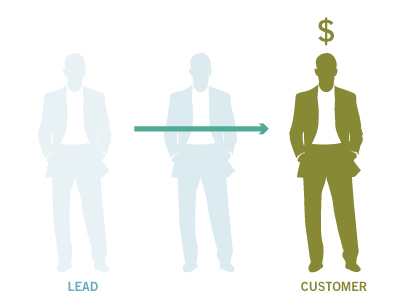
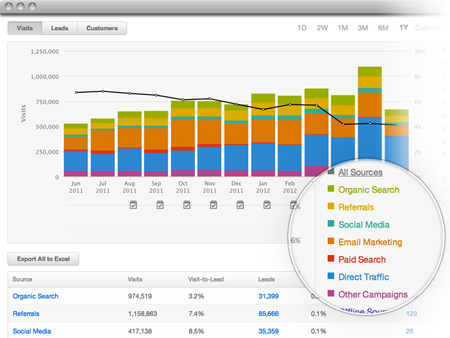
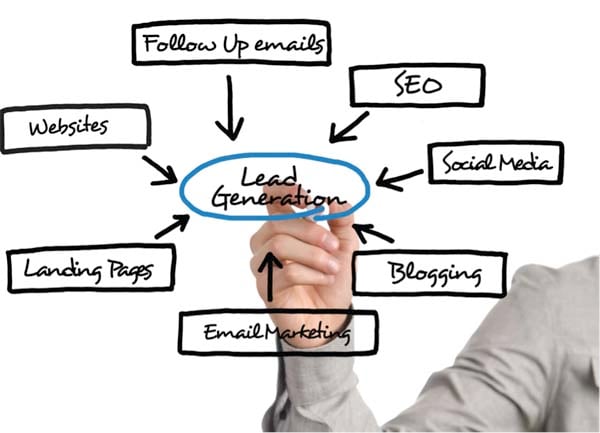 One of the problems that I most often hear about from clients, both small or big business owners based in Singapore and Asia, is that they do not get enough sales leads to grow their business.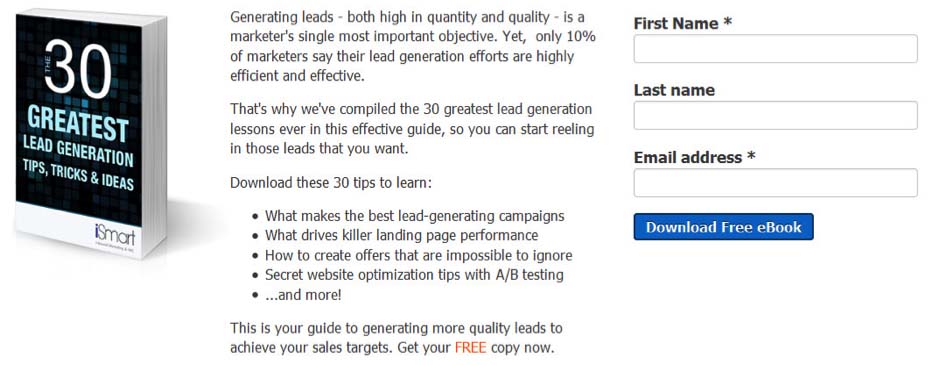
 The healthcare industry in Singapore remains highly regulated not only for medical practices, but also for the promotion of medical businesses. This I have learned, first-hand, from my visit to a doctor last week.













 In the corporate world, the majority of working professionals have technical expertise and competencies, but much less of them have sharp skills in business communication, an overarching term which sales communication and business networking come under. I heard many years ago that the richest men and women in the world, like Bill Gates for example, do not hide in their offices and apply their technical skills most of the time. So what do they do? They go out into the world and meet people: build up their business networks, give and get referrals, arrange joint ventures, seek expansion through opportunities and ideas etc.